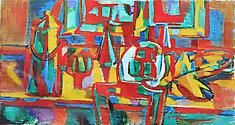
Exploring the cultural exchange between Cuban communism and the French avant-garde.
"Between the European intellectual and the peasant from the Sierra Maestra, or the sugar-cane cutter, there is something in common that we revolutionaries can understand well, and that is this striving for justice, this striving for the progress of humanity, this striving for human dignity." Fidel Castro.
In 1950s Paris anti-Stalinism was causing a sharp decline in the otherwise popular French communist party, and there was increasing interest in the alternative model in Cuba. Meanwhile many Cuban artists were looking to Paris for progressive cultural inspiration, most prominently Wilfredo Lam and Lolo Soldevilla who became the primary conduits.
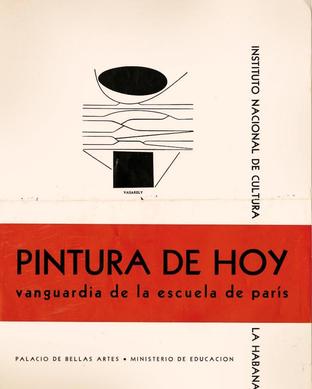
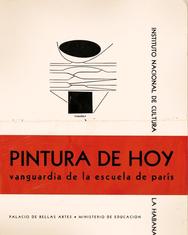
In 1951 the Musée Nationale d'Art Moderne held an exhibition "Art Cubain Contemporain", and in 1956 it's counterpart was held in Havana "Pintura de Hoy. Vanguardia de la Escuela de Paris" curated by Soldevilla at the Palacio Bellas Artes. The back and forth flow of artists and writers continued over the decade, with Sartre and de Beauvoir visiting in 1960 and declaring their admiration.
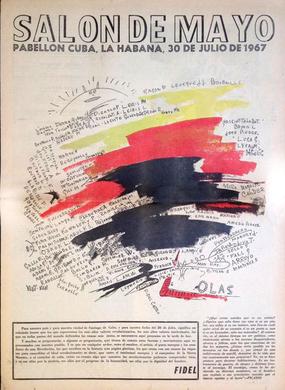
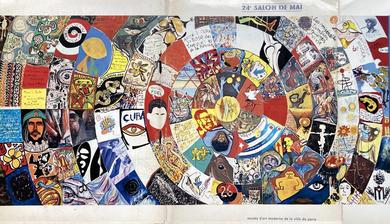
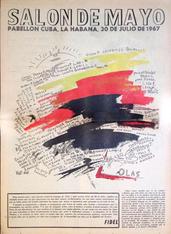
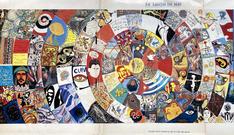
In 1967 Lam and Carlos Franqui, editor of "Revolución" newspaper, organised for the Parisian "Salon de Mai" annual contemporary art exhibition to be held in Havana, inviting 100 artists and intellectuals from Europe. Many of the artists participated in the collaborative mural "Cuba Colectiva" which became the focal point of the show. Measuring 5x10m they painted it in front of TV cameras and 5000 spectators, each artist being given a section of a huge spiral, including one for Fidel Castro, although he was absent for the painting... he did later make a rousing speech at the event. More than 200,000 Cubans visited the show. While the anti-imperialist rhetoric and art's role in the pro-revolutionary fervour infused the participants.
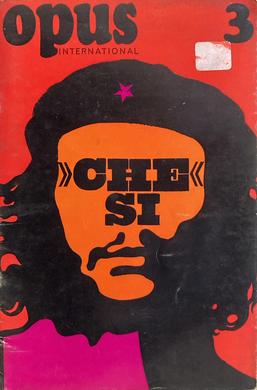
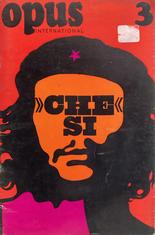
The party sobered however two months later with the killing of Che Guevara in Bolivia, on a campaign too far, in Oct 1967. Back in Paris, a group of ardent socialists including Alain Jouffroy and Gérald Gassiot Talabot, had published "Opus International" magazine, voicing optimistic enthusiasm for the Cuban revolutionary spirit. The magazine's cover that month by Roman Cieslewicz featured the stylised image of Che Guevara with words "Che Si".
By 1968 the atmosphere in France reached flashpoint, and ironically the "Salon de Mai" now home in Paris with guest Cuban artists, in something of a Pyrrhic victory, had to close due to the widespread civil unrest in the city. The enthusiasm of the French idealists soured further in August of 1968 when Castro supported the Soviet invasion of Czechoslovakia and their brutal crushing of the Prague Spring.
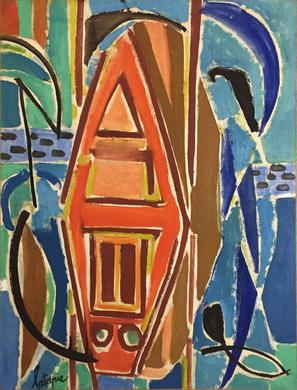
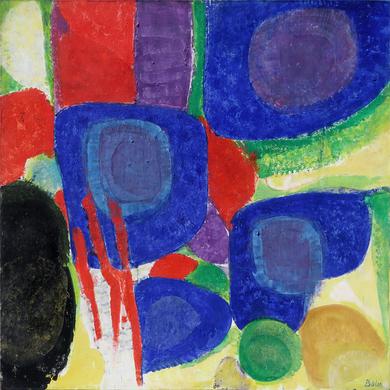
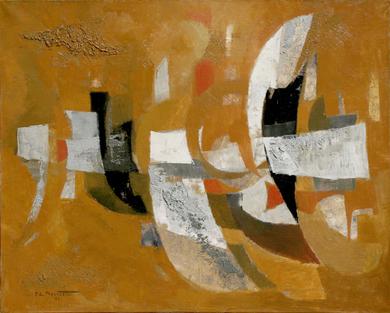
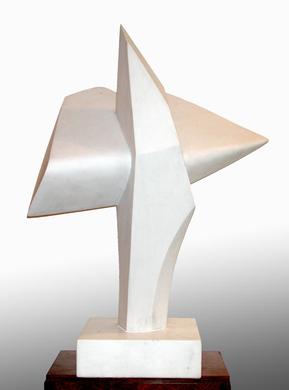
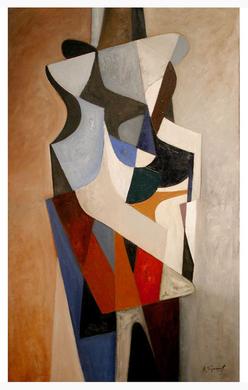
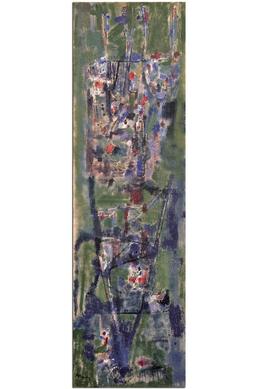
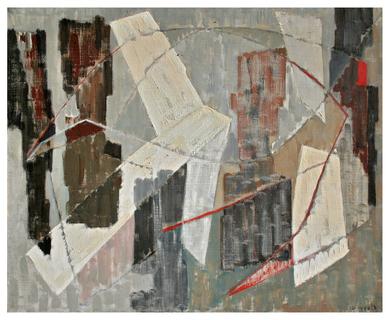
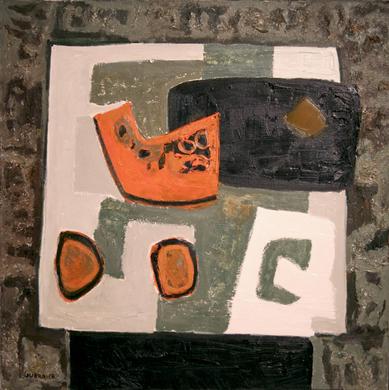
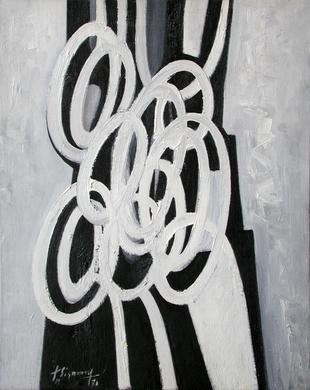
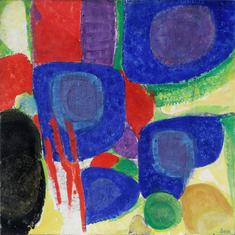
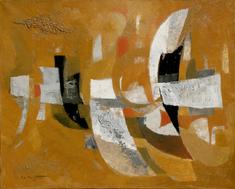
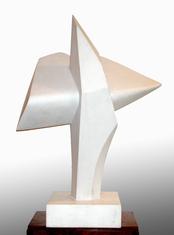
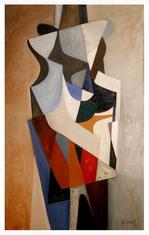
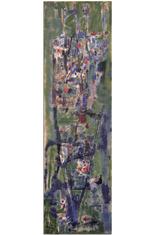
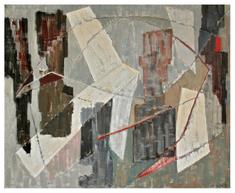
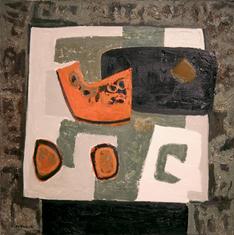
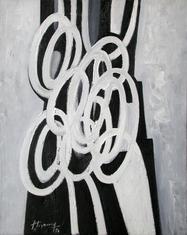
This exhibition at Hanina Fine Arts reunites some of the artists who participated in the Havana exhibitions, along with archive material capturing the atmosphere of the events.